- Preschool Licensing and Inspection Records
- Acceptable Child-To-Teacher Ratios
- Staff Training, Qualifications, and Safety Procedures
- Staff Turnover
- Discipline and Behavior
- Facility Security
- Drop-Off And Pick-up Procedures
- Check the Classroom Environment
- How Does the Preschool Handle Illness?
- Ask About Meal, Snack, and Allergy Policies
- Understand the Preschool’s Approach to Learning
- Find Licensed Childcare In Parkland: A Preschool That Checks All The Boxes
Enrolling your child in school for the first time can be daunting. A facility may have great play areas and colorful classrooms, but how do you know that they are right for your child? When it comes to your child’s wellbeing and future, you have the right to insist on the highest quality care. To do that, you need to know what to look for in a licensed childcare facility.
To help you make this important choice, we’ve put together the key areas to focus on, as well as questions that you can ask to separate well-run schools from those that may not provide what your child needs.
Preschool Licensing and Inspection Records
The Florida Department of Children and Families (DCF) has clear guidelines set out in the child-care law that preschools have to meet to operate. One of the first things to check is whether a school has the following licenses and inspection records:
- State Child Care Facility License
- Voluntary Prekindergarten (VPK) Contract (if the school offers this program)
- Local Business Zoning Approval / Tax Receipt
- Current health and fire safety inspection records
Questions To Ask About Licensing and Inspection Records
Some schools may have their licenses out on display. If you don’t see them, it’s important to check.
You can ask questions such as:
- Are you fully licensed by the state, and can I see your licensing and inspection records?
- Does this license cover my child’s age group?
- When was your last official licensing and safety inspection completed?
Acceptable Child-To-Teacher Ratios
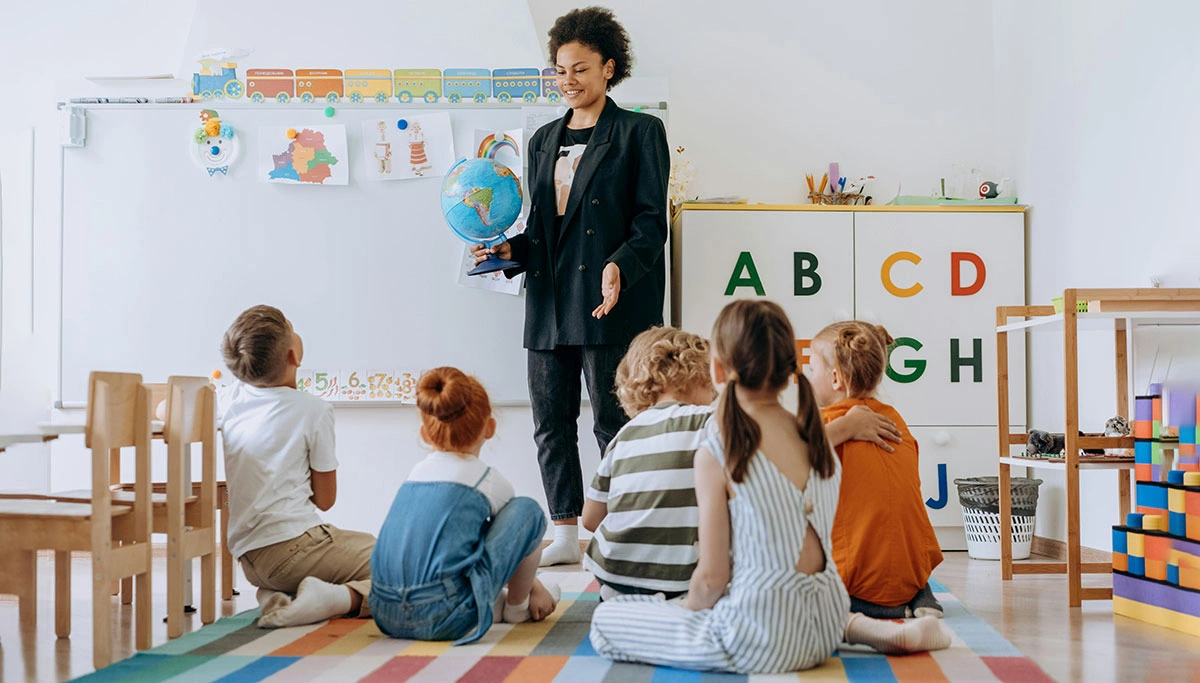
Younger children need smaller groups as they require much more hands-on care. As they get older, they’re able to do more for themselves, and each teacher can manage a bigger group.
These are the ratios stipulated by the Florida DCF:
- Infant 0-18 months – 1:4
- Toddler 18 -36 months – 1:6
- Preschool 3-5 years – 1:15
Child-To-Teacher Ratio Questions To Ask
Meeting the basic ratio guidelines is a start, but you’ll get a complete picture by finding out:
- Do child-to-teacher ratios change at different times of the day such as lunch breaks, outdoor play time, or pick-up and drop-off times?
- Do staff absences change the ratio?
- Are regular, qualified substitute teachers used when needed
Staff Training, Qualifications, and Safety Procedures

All teachers must have the applicable teacher training in place for their position in the school. Lead teachers are expected to have higher levels of education than assistants. Along with that, everyone who works with children must have basic training in place, including:
- Florida DCF 40-hour introductory training: During these sessions, they learn the basics of early literacy, what safe sleep entails, and how to identify and prevent child abuse.
- Pediatric CPR and first aid qualification: It’s essential for child workers to know how to perform basic medical assistance to stabilize a child’s medical state in an emergency until qualified help arrives.
- Universal precautions training: This training equips them with an understanding of hygiene practices in the school environment, such as treating all bodily fluids as risky, using barrier protection, safe hand hygiene, keeping surfaces clean, and safe disposal of soiled diapers, gloves, and wipes.
- Background checks: All staff employed at the school must have undergone a Level 2 background screening process, which includes state and national fingerprinting, criminal history search, registry and watchlist check, as well as clearinghouse retention.
Teacher Qualifications Questions To Ask
To check on the staff training and qualifications, ask questions like:
- Are teachers qualified to hold their positions?
- What level of background checks do you perform before hiring a new staff person?
- Is everyone on staff trained in CPR and basic first aid, and do they know where to find the first aid kit?
Staff Turnover
Find out how long the current staff members have been working at the school. Quick staff turnover rates can be an indication of issues within the preschool, such as poor organizational systems or a stressful working environment. For your child, this could lead to disrupted emotional attachment and slow academic progress.
Questions To Ask About Staff Turnover
Low staff turnover indicates staff are happy and the organization is well run.
Find out:
- How long do teachers typically work at this school?
- How long has the lead teacher been here?
- How does the preschool help the children adjust when a new teacher takes over their class?
- Is there an overlap time when the incoming and outgoing teachers work together?
- How do new teachers learn each child’s unique needs and daily routines?
Discipline and Behavior
A preschool’s discipline and behavioral policy must align with Florida Statutes that state there can be no corporal punishment, emotional or psychological abuse, or withholding the basic needs of food, rest, or visits to the toilet.
Acceptable and helpful discipline is constructive and age-appropriate, using methods such as redirection, positive reinforcement, and clear, calm, boundary setting.
Questions To Ask About Discipline And Behavioral Matters
To find out where the school stands on these issues, use questions such as:
- Can I see the written disciplinary policy?
- How do you handle challenging behaviors such as biting, smacking, or defiance?
- Give me a real-life example of how the teachers have used redirection.
- How do you communicate discipline issues with the child’s family?
- How are your teachers trained in behavior management?
Facility Security
You’ll be able to see the physical security measures that a preschool has in place during your tour of the facility. If you notice anything that raises an alarm bell, don’t hold back on asking about it.
These are the things to look for that ensure the safety of the children:
- Access control to the building with locked doors. There should be a keypad and access code at least, though biometric access coded to teachers and parents is the safest.
- Outdoor play areas must have secure, high fencing with self-latching gates. They should be situated away from busy roads or parking lots.
- Security camera surveillance in common areas is a plus. Cameras in bathrooms are not allowed.
Drop-Off And Pick-up Procedures
Safe delivery and collection routines at a preschool should include authorized pick-up lists of people who are cleared before the time to collect your child. There should be digital check-ins and check-outs so that it’s possible to trace who received or released your child. It’s safe practice for there to be no unaccompanied exits. Children must come to the door accompanied by an adult.
Questions To Ask Regarding Drop-Off And Pick-up Procedures
Many of these questions may be answered during your school tour. You can ask for a demonstration of how entries and exits work.
Also, find out:
- How do you verify the identity of the person picking up the child?
- What is the procedure for late pick-up situations? Where does the child wait?
- Regarding custody arrangements or restraining orders, how do you handle situations where the unauthorized person comes to pick up the child?
- Is there a process to follow in an emergency if an unlisted person needs to fetch my child?
Check the Classroom Environment
Young children spend a significant portion of their day inside the same classroom, so the environment is extremely important.
Look for preschool classrooms that are:
- Clean and organized
- Age-appropriate
- Bright and welcoming
- Equipped with books and learning materials
- Designed for hands-on activities
- Comfortable for young children
- Organized into areas for different types of play and learning
A quality preschool doesn’t necessarily need the newest or most expensive equipment. What matters is whether the space encourages children to explore, interact, create, and learn.
As any parent with a child in school knows, germs are everywhere! For that reason, an additional question worth asking is inquiring about how materials and toys are cleaned and maintained throughout the day.
How Does the Preschool Handle Illness?
As mentioned above, germs are unfortunately a big part of daycare and school. Generally speaking, children are naturally exposed to plenty of them during their early years. Before enrolling your child in a licensed childcare program, ask about the school’s sick policy.
You’ll want to know:
- When do children need to stay home from school?
- How are parents notified if a child becomes sick?
- How does the school handle fevers?
- When can children return: do they require doctor notes?
- How frequently are classrooms and toys cleaned?
- How do staff members manage contagious illnesses?
A clear illness policy protects your child as well as the other children and staff members in the program.
Ask About Meal, Snack, and Allergy Policies

If the preschool offers meals and/or snacks, make sure you understand how all the food is handled and prepared.
If your child has certain food allergies, dietary restrictions, is a picky eater, or has other nutritional needs, find out if and how the school accommodates them. Additionally, you should also ask how the center handles food allergies and whether staff members are trained to respond to potential allergic reactions.
Ultimately, clear policies can help parents feel more comfortable about their child’s health and safety throughout the school day.
Understand the Preschool’s Approach to Learning

Childcare and preschool aren’t just about keeping children occupied until parents come back to pick them up. A strong early learning program should provide opportunities for children to develop important skills while still allowing them to enjoy being kids.
Ask what the preschool’s curriculum or learning approach looks like.
For younger children, learning may happen through:
- Storytime and reading
- Music and movement
- Art projects
- Sensory activities
- Building and problem-solving
- Imaginative play
- Outdoor exploration
- Age-appropriate math and literacy activities
Play is especially important during the preschool years. Children learn primarily through hands-on experiences, experimentation, social interaction, and imaginative activities. A good licensed childcare program should balance structured learning with opportunities for children to explore independently.
Find Licensed Childcare In Parkland: A Preschool That Checks All The Boxes
At Parkland Children’s Academy, your child is our number one priority. Our goal is to give them the highest quality preschool experience to set the tone for the rest of their schooling. To do this, we ensure that we meet all the criteria set out above. Our teachers are warm, compassionate, and qualified to make every day a fun, learning adventure.
Give your child the best head start! Book a visit to our school to experience an environment that your child will thrive in, and meet the people who’ll be looking after your child. We look forward to meeting you!