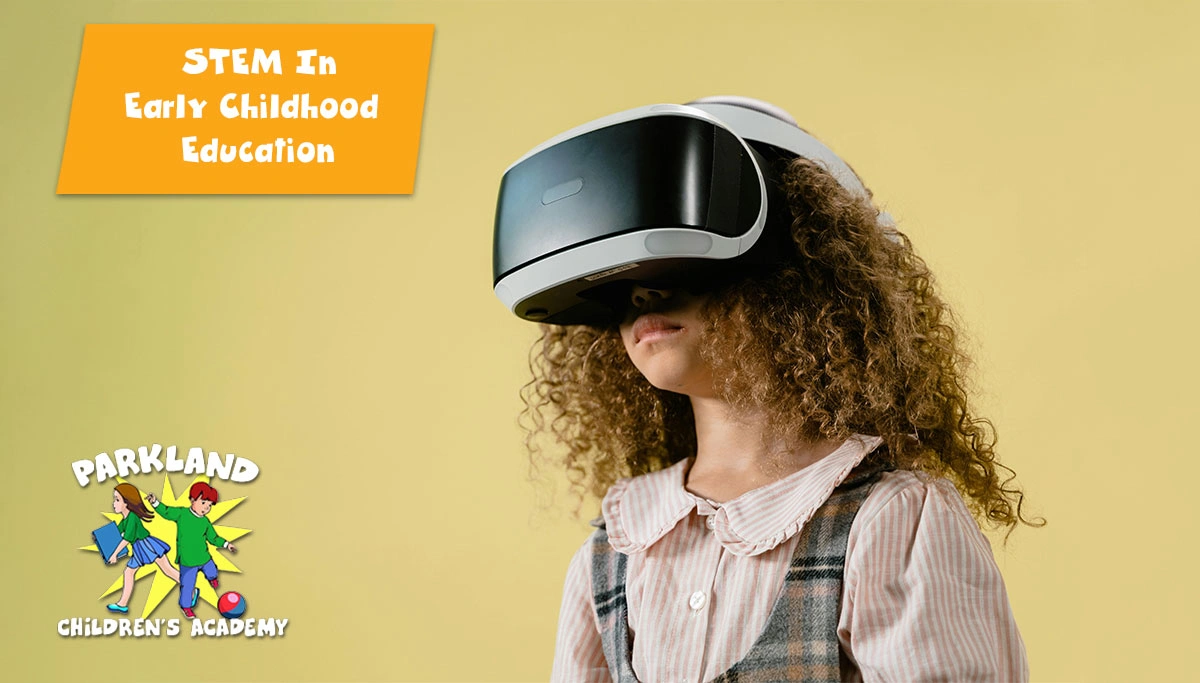
Preschool education has undergone significant changes over the past decade. One of the most noteworthy changes to have occurred is the rise of STEM learning, particularly in preschool. While many parents think of Science, Technology, Engineering, and Math as advanced learning concepts reserved for older school-aged children, research suggests they are rather basic principles essential for critical thinking, problem solving and learning.
STEM in early childhood education is not about complicated lessons or challenging worksheets; it is about nurturing and enhancing natural curiosity. Children have an innate desire to experiment, observe, test, and build. STEM encourages these existing habits and provides a safe environment for children to learn and grow.
In this article, we explore why STEM is so crucial in the foundational years of child development, and how young toddlers learn science and math in a way that is engaging, age-appropriate and fun.
What is STEM in Preschool?

When parents hear the word STEM, they tend to think of computers, coding or advanced experiments. In a preschool setting, STEM looks much simpler and more practical.
For preschool aged children, STEM involves:
- Exploring how things work
- Asking questions
- Testing ideas
- Solving simple problems
- Using objects to build or measure
- Observing nature
- Identifying patterns
These activities fit perfectly into early child development because they mirror the natural ways preschoolers learn and develop: through play, repetition, discovery and sensory experience.
Why STEM Is Crucial in Pre-School Education
It is no secret that the early years of a child’s development are arguably some of the most important, due to their ability to learn and grow. What they absorb will shape their personality, character and future relationships. Introducing STEM within the initial years of a child’s life is incredibly beneficial in the healthy development and learning of the child. It forms the foundation for how children think and interact with the world around them, and prepares them for further education later down the line.
STEM in early childhood education creates opportunities for children to interact with their environment in a way that promotes lifelong learning and problem-solving. Introducing STEM early supports key developmental skills that extend far beyond academics and set children up for success later on in life.
Builds Critical Thinking
Preschoolers constantly wonder “why” and “how.” STEM channels those questions into exploration. Whether mixing colors or watching a ball roll down a ramp, children learn to predict, test, and adjust – key skills that are timeless and invaluable.
It Strengthens Early Math Concepts
Counting, measuring, comparing sizes, and recognizing patterns are all fundamental math skills. STEM helps introduce these concepts in an easily understandable and fun way, allowing children to grasp them long before they are formally introduced in school.
Encourages Creativity and Innovation
STEM focuses on a complete approach to learning and early development. Children may use blocks to build a fort, water to test which objects sink or float, or soil to explore plant growth and insect life. Each activity allows them to think by themselves and create their own solutions.
STEM Learning Builds Confidence
When preschoolers solve a problem or create something new, they feel capable – that sense of achievement builds confidence not only in academics but also in social and emotional development.
Prepares Children for a Technology-Driven World
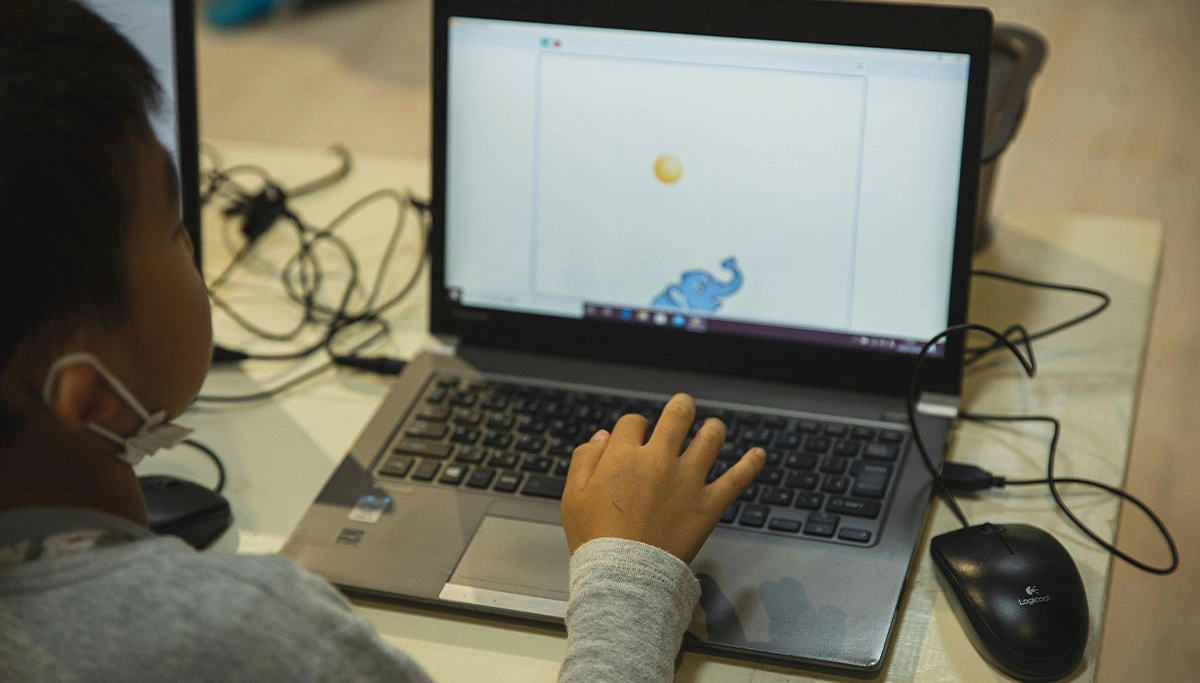
While toddlers don’t need advanced technology, early exposure to problem-solving and logical thinking helps prepare children for future digital learning. They gain the ability to adapt and understand systems – skills which are essential in a modern world.
How Preschoolers Learn Science
Science in early childhood education looks very different to what most people would associate with modern-day science, yet it is equally, if not more important. Learning science at a young age is based upon exploration, questioning and problem-solving. Here’s how infants and toddlers naturally learn about science and the world around them in ways that feel like play.
1. Sensory Exploration
Touching sand, pouring water and planting seeds are all valuable experiences that act as mini scientific investigations. As preschoolers observe various textures, temperatures, and changes, they form an early understanding of scientific principles, which provides a base for more advanced concepts.
2. Observing Nature
Children are natural observers and are incredibly curious. Watching insects, studying leaves, or noticing shadows helps them learn about living things, weather, and basic environmental science.
3. Cause and Effect Play
Science thrives on cause and effect, and so do preschoolers. Their natural curiosity invites them to ask questions like these when learning new things with their teacher:
- What happens if I add more water?
- What happens if I drop the ball from higher up?
- What happens if I mix these colors?
These tiny experiments help children develop reasoning skills that form the basis of scientific and critical thinking which will support a strong academic future.
4. Simple Experiments
Preschool learning is full of playful tests like testing whether something will sink or float, which objects roll faster and understanding that plants grow from seeds. These simple experiments help children make guesses, watch what happens, and see the results. This builds their curiosity and thinking skills.
Gaining an understanding of science and the thinking that accompanies it is crucial for young children’s development, and at Parkland Children’s Academy, we build these skills through simple, fun activities.
How Preschoolers Learn Math
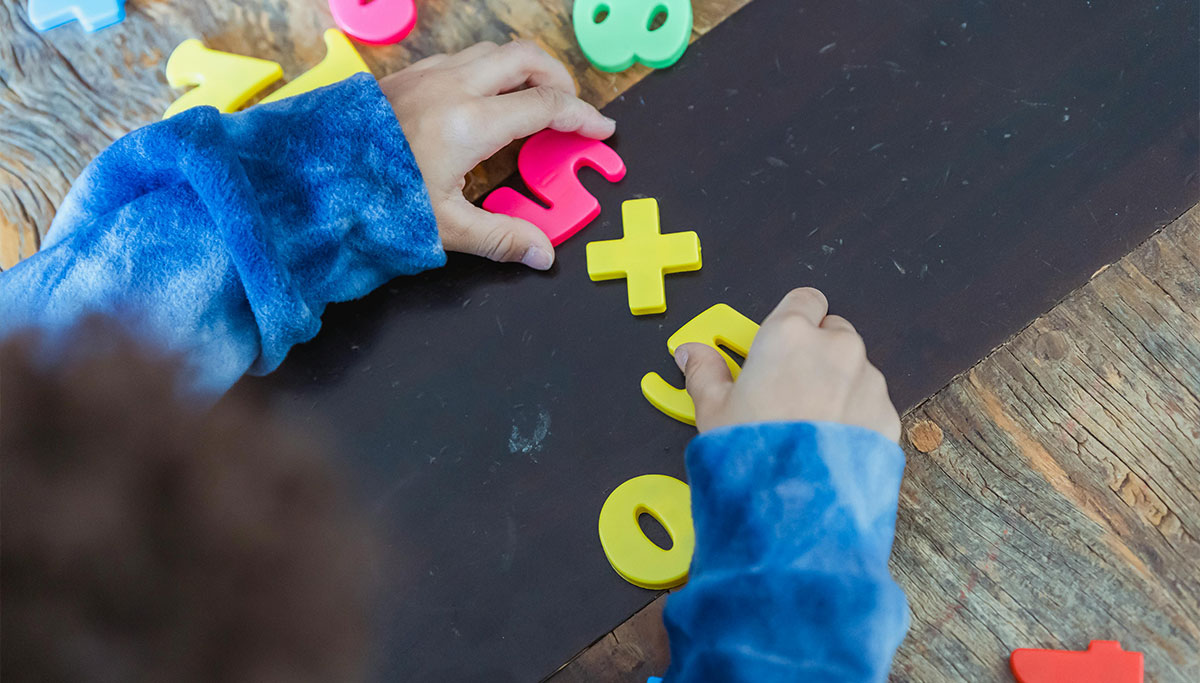
Math in early childhood education is far more than numbers and algebra. It involves sensory play, hands-on exploration and important interactions with objects and peers. Learning math at an early age helps children to develop logical thinking, and can be introduced in various child-friendly ways.
1. Pattern Recognition
Patterns are everywhere – in our houses, on the street and in nature. Playing with blocks, beds, or even engaging in rhythm activities helps children naturally become aware of the patterns around them.
2. Counting in Context
Instead of parrot-learning numbers and equations, preschoolers learn the basics of math by counting relatable, everyday objects:
- Snacks
- Toys
- Steps
- Friends in class
This style of learning makes the content very practical and understandable, helping children develop crucial thinking skills at an early age.
3. Measuring and Comparing
Children love comparing.
- Bigger vs smaller
- Heavier vs Lighter
- Longer vs Shorter
Comparisons like these introduce the concept of measurement long before formal tools, such as rulers or scales, are used. This helps prepare children for formal concepts introduced later in school.
4. Shapes and Spatial Awareness
Playing with blocks, climbing, and organizing objects helps kids learn about shapes and improve their spatial skills.
How Parkland Children’s Academy Integrates STEM
At Parkland Children’s Academy, STEM is viewed as an integral part of early childhood education and is seamlessly woven into daily activities and play.
Key strategies include:
- Hands-on learning that encourages building and experimenting
- Nature-based learning involving outdoor outings and scientific observation
- Fun activities using blocks, shapes and sensory materials
- Engaging questions that inspire curiosity and deeper thinking
- Safe, age-appropriate materials that allow independent exploration
This style of teaching creates a caring environment where children safely develop the confidence, curiosity, and foundational skills necessary for lifelong learning.
Enroll Your Child At Parkland Children’s Academy
STEM in early childhood development is not about teaching preschoolers advanced concepts, it’s about nurturing the curiosity they already have. When children explore, test, build, and discover, they develop strong early math and science skills along with creativity, confidence, and critical thinking.
Parkland Children’s Academy is committed to providing a preschool experience where STEM Learning is an enjoyable, interactive process that holds significant developmental value. Parents looking for a high-quality early childhood education program grounded in strong values and modern teaching approaches will find that Parkland Children’s Academy offers an engaging, child-focused learning environment.
To learn more about Parkland Children’s Academy, call 954-688-5877 to speak with a member of our staff. We can’t wait to see your child enrolled!